
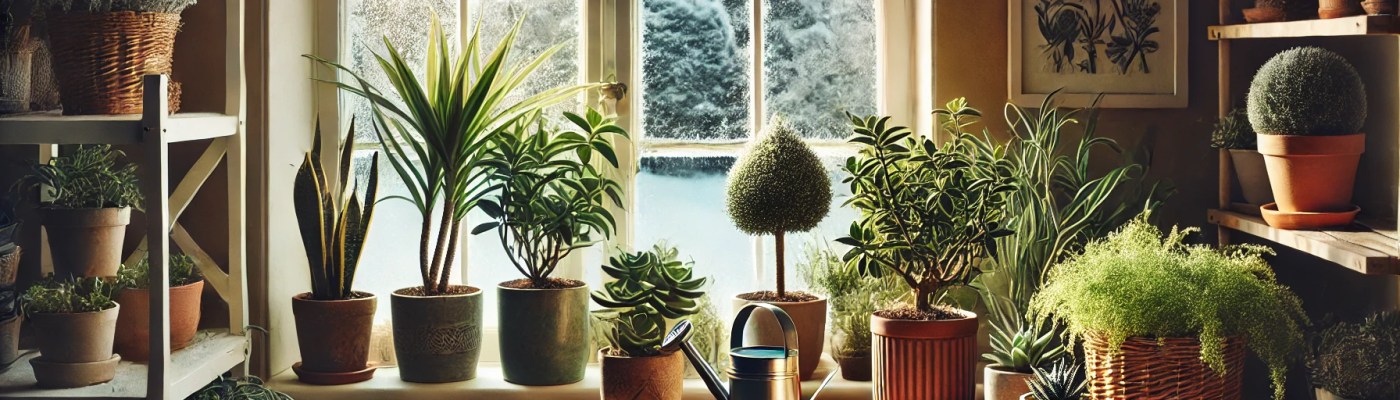
As the temperatures drop, it’s time to start thinking about transitioning your plants indoors to protect them from the harsh winter weather. But moving your plants isn’t as simple as just carrying them inside. With proper preparation, you can ensure a smooth transition and keep your plants healthy through the colder months.
Step 1: Assess Which Plants to Bring Inside
Not all plants need to come indoors. Focus on:
- Tropical Plants: These thrive in warm conditions and won’t survive frost.
- Perennials in Containers: If they aren’t hardy in your zone, they’ll need indoor protection.
- Special Favorites: Sentimental plants or those with high value, like rare varieties.
Step 2: Check for Pests and Diseases
Before moving plants indoors, inspect them thoroughly for pests like spider mites, aphids, or scale insects.
- Wash the leaves gently with water or a mild insecticidal soap.
- For persistent pests, consider neem oil in a spray bottle.
- Beneficial organisms like the naturally-occurring Stratiolaelaps scimitus are great for controlling fungus gnats and other pests (if you’re already using them, bonus!) and are an eco-friendly alternative to sticky traps.
Step 3: Acclimate Your Plants
Plants need time to adjust to indoor conditions.
- Start by bringing them inside for a few hours a day, gradually increasing the time over a week or two.
- Place them in bright spots near windows, but avoid direct exposure to radiators or heating vents.
Step 4: Adjust Care for Indoor Conditions
Indoor environments are often drier and less bright than the outdoors, so adjust your care routine:
- Light: Use grow lights for plants that need high light levels.
- Watering: Reduce watering frequency, as plants use less water indoors.
- Humidity: Group plants together or use a humidifier to maintain healthy humidity levels.
Step 5: Monitor and Maintain
Once your plants are settled indoors, keep an eye on them:
- Check for signs of stress like yellowing leaves, which could indicate insufficient light or overwatering.
- Rotate plants weekly to ensure even light exposure.
- Maintain a consistent temperature, ideally between 65–75°F, depending on the plant species.
Bonus Tip: Create a Winter Plant Spa
This is a great time to give your plants some TLC:
- Repot if needed (check out these versatile planters), but only if the plant is root-bound or showing signs of poor drainage.
- Prune back any dead or damaged foliage to encourage fresh growth.
- Clean leaves with a damp cloth or cleaning wipes to maximize photosynthesis.
By following these steps, you can give your plants the best chance to thrive indoors until spring. Your green companions will thank you with lush growth and vibrant health when it’s time to move them back outside.
Stay tuned for more plant care advice and inspiration at PlantCareDaily!
 plantcaredaily.com